
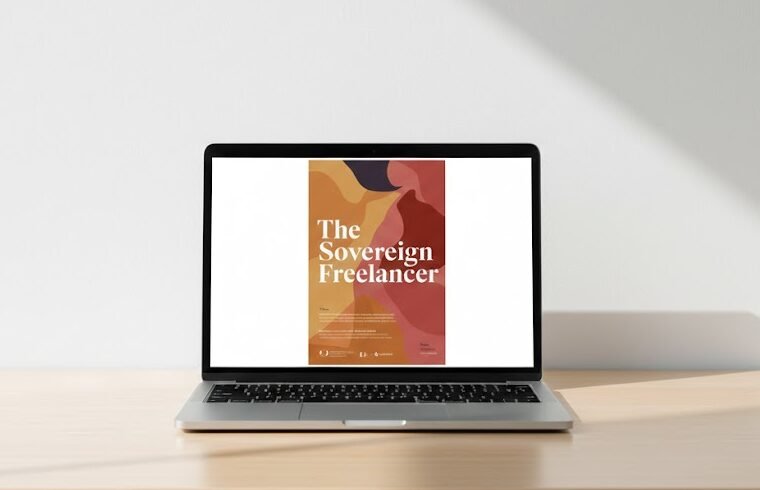
Nick Usborne – The Sovereign Freelancer: Redefining Independence, Authority, and Sustainable Freelance Success
Introduction
Freelancing has evolved far beyond gig platforms and hourly billing. Today’s independent professionals seek autonomy, authority, and long-term stability—and this shift is powerfully captured in Nick Usborne – The Sovereign Freelancer. Rather than chasing clients or competing on price, this philosophy centers on sovereignty: owning your work, your positioning, your income, and your professional future.
The Sovereign Freelancer is not just a brand or concept; it is a mindset and operating model for modern freelancers who want to build meaningful, resilient careers. Rooted in experience, clarity, and strategic independence, Nick Usborne – The Sovereign Freelancer challenges traditional freelancing norms and introduces a more empowered path forward.
1. Understanding the Concept of the Sovereign Freelancer
1.1 What Does “Sovereign” Mean in Freelancing?
In this context, sovereignty means self-rule. A sovereign freelancer controls:
-
Who they work with
-
How they price their services
-
How they define value
-
How they grow and sustain their career
The Sovereign Freelancer model moves away from dependency on platforms, retainers, or unpredictable client pipelines. Instead, it emphasizes authority, expertise, and intentional business design.
1.2 The Philosophy Behind Nick Usborne’s Approach
Nick Usborne is widely recognized for his contribution to writing, digital communication, and independent professional thinking. Through Nick Usborne – The Sovereign Freelancer, the focus shifts from transactional freelancing to relationship-driven, value-based professional practice.
This philosophy teaches freelancers to think like independent experts—not vendors.
2. The Core Principles of The Sovereign Freelancer
2.1 Authority Over Availability
Traditional freelancing rewards availability. Sovereign freelancing rewards authority.
Instead of being “always available,” the professional positions themselves as a trusted expert whose time and insight carry weight. This allows freelancers to:
-
Command higher fees
-
Reduce client churn
-
Attract aligned projects
2.2 Value-Based Positioning
In the Sovereign Freelancer framework, pricing is not about hours—it’s about outcomes. Clients pay for clarity, experience, and results, not time spent.
This shift enables freelancers to:
-
Escape hourly rate ceilings
-
Build scalable offerings
-
Focus on strategic contribution
2.3 Independence from Market Volatility
A sovereign freelancer is not vulnerable to algorithm changes, platform policy updates, or race-to-the-bottom pricing. Stability comes from:
-
Direct client relationships
-
Reputation and thought leadership
-
Clear positioning in a defined niche
3. From Freelancer to Independent Authority
3.1 The Identity Shift
One of the most powerful elements in Nick Usborne – The Sovereign Freelancer is identity. Freelancers stop seeing themselves as “service providers” and start operating as:
-
Advisors
-
Strategic partners
-
Specialists
This identity shift changes how clients engage, negotiate, and respect the freelancer’s work.
3.2 Niche Clarity and Market Fit
Sovereignty requires focus. Rather than serving everyone, the freelancer defines:
-
A clear niche
-
A specific problem they solve
-
A distinct perspective
This clarity eliminates commoditization and builds long-term demand.
4. Client Relationships in the Sovereign Model
4.1 Choosing Clients, Not Chasing Them
Under the Sovereign Freelancer approach, freelancers assess clients as carefully as clients assess them. This includes:
-
Alignment of values
-
Respect for expertise
-
Willingness to collaborate
This mutual selection leads to healthier, more productive engagements.
4.2 Long-Term Partnerships Over One-Off Gigs
Rather than jumping from project to project, sovereign freelancers cultivate ongoing relationships. These partnerships offer:
-
Predictable income
-
Deeper impact
-
Less administrative overhead
Trust replaces constant pitching.
5. Pricing, Revenue, and Sustainability
5.1 Escaping the Hourly Trap
One of the strongest arguments in Nick Usborne – The Sovereign Freelancer is against time-based pricing. Hourly billing limits income and ties revenue directly to effort.
Alternative models include:
-
Project-based pricing
-
Value-based fees
-
Advisory retainers
These structures support growth without burnout.
5.2 Building Financial Resilience
A sovereign freelancer designs income intentionally:
-
Fewer, higher-quality clients
-
Clear scopes and boundaries
-
Predictable cash flow
This financial stability supports creativity and long-term career health.
6. Communication as a Core Asset
6.1 Language Shapes Authority
Words matter. How a freelancer communicates—on their website, in proposals, in conversations—directly impacts perceived value.
The Sovereign Freelancer philosophy emphasizes clarity, confidence, and honesty in communication. This reduces friction and increases trust.
6.2 Thought Leadership and Visibility
Visibility isn’t about noise—it’s about relevance. Sovereign freelancers share insights through:
-
Articles
-
Essays
-
Talks or workshops
-
Strategic content
This positions them as thinkers, not task-takers.
7. Systems, Boundaries, and Freedom
7.1 Designing a Freelance Business, Not a Job
Freelancers often recreate employment without benefits. The sovereign model challenges this by encouraging:
-
Defined working hours
-
Clear onboarding processes
-
Structured client workflows
Systems create freedom, not restriction.
7.2 Boundaries as a Professional Strength
Boundaries protect energy and focus. In The Sovereign Freelancer model, boundaries are communicated clearly and upheld consistently.
This leads to:
-
Better work quality
-
Stronger client respect
-
Reduced burnout
8. Career Longevity and Evolution
8.1 Adapting Without Losing Identity
Markets change, but sovereignty remains. A sovereign freelancer evolves skills while maintaining core positioning. This adaptability ensures relevance over decades, not just years.
8.2 Building a Legacy of Expertise
Over time, sovereign freelancers may expand into:
-
Mentorship
-
Teaching or courses
-
Writing or publishing
-
Consulting at a higher strategic level
This evolution transforms freelancing into a long-term professional legacy.
9. Common Misconceptions About Sovereign Freelancing
-
“It’s only for elite freelancers” – In reality, it’s a mindset shift accessible to any committed professional.
-
“You need a huge audience” – Authority comes from relevance, not popularity.
-
“It limits opportunities” – Focus actually increases opportunity quality.
Nick Usborne – The Sovereign Freelancer dismantles these myths and replaces them with clarity.
10. Practical Steps Toward Becoming a Sovereign Freelancer
-
Clarify your expertise and niche
-
Redefine your value proposition
-
Audit your pricing model
-
Improve professional communication
-
Build direct client relationships
-
Establish systems and boundaries
-
Commit to long-term authority building
Each step strengthens independence and professional control.
Conclusion
Nick Usborne – The Sovereign Freelancer offers more than a freelance strategy—it presents a philosophy of professional independence. In a world where many freelancers feel overworked, undervalued, and replaceable, sovereignty provides a powerful alternative.
By focusing on authority, clarity, and intentional design, freelancers can build careers that are not only profitable but deeply sustainable. The sovereign path is not about working more—it’s about working with purpose, dignity, and control over one’s professional life.




Reviews
There are no reviews yet.